Pump systems are essential for maintaining smooth operations in residential, commercial, and industrial settings. Over time, even the best pump systems wear out or become inefficient due to aging, increased demand, or outdated technology. Recognizing the early warning signs can help prevent costly breakdowns and unexpected downtime.
1. Frequent Breakdowns and Repairs
If your pump requires constant repairs or regular part replacements, it is a clear sign that the system is reaching the end of its service life. Frequent maintenance not only increases costs but also indicates that internal components are no longer functioning efficiently.
2. Reduced Performance and Efficiency
A noticeable drop in pressure, flow rate, or output capacity suggests that your pump is no longer operating at optimal levels. Older pumps often consume more energy to deliver less output, leading to higher electricity bills and reduced system reliability.
3. Unusual Noises or Vibrations
Grinding, knocking, or excessive vibration during operation can signal worn bearings, misalignment, or internal damage. These issues, if ignored, can lead to severe mechanical failure and system shutdown.
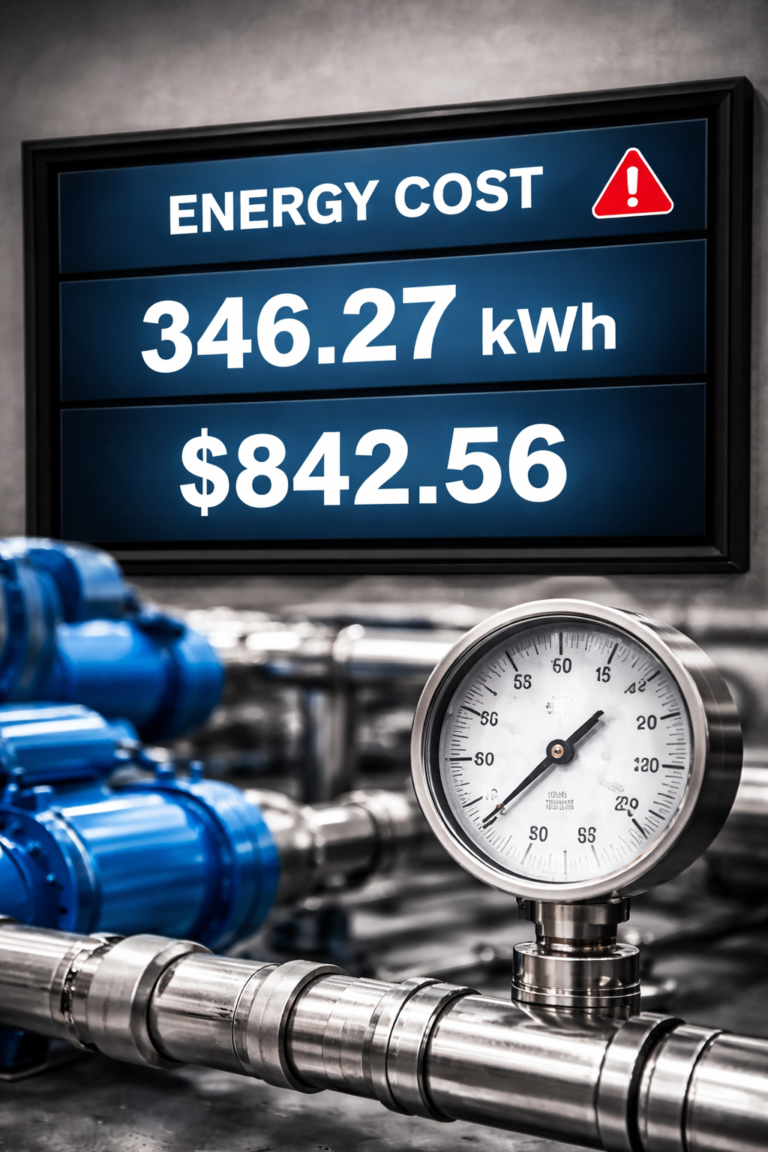
4. Rising Energy Costs
An aging pump system typically requires more power to perform the same tasks. If energy bills continue to rise without an increase in usage, upgrading to a modern, energy-efficient pump can significantly reduce operating costs.
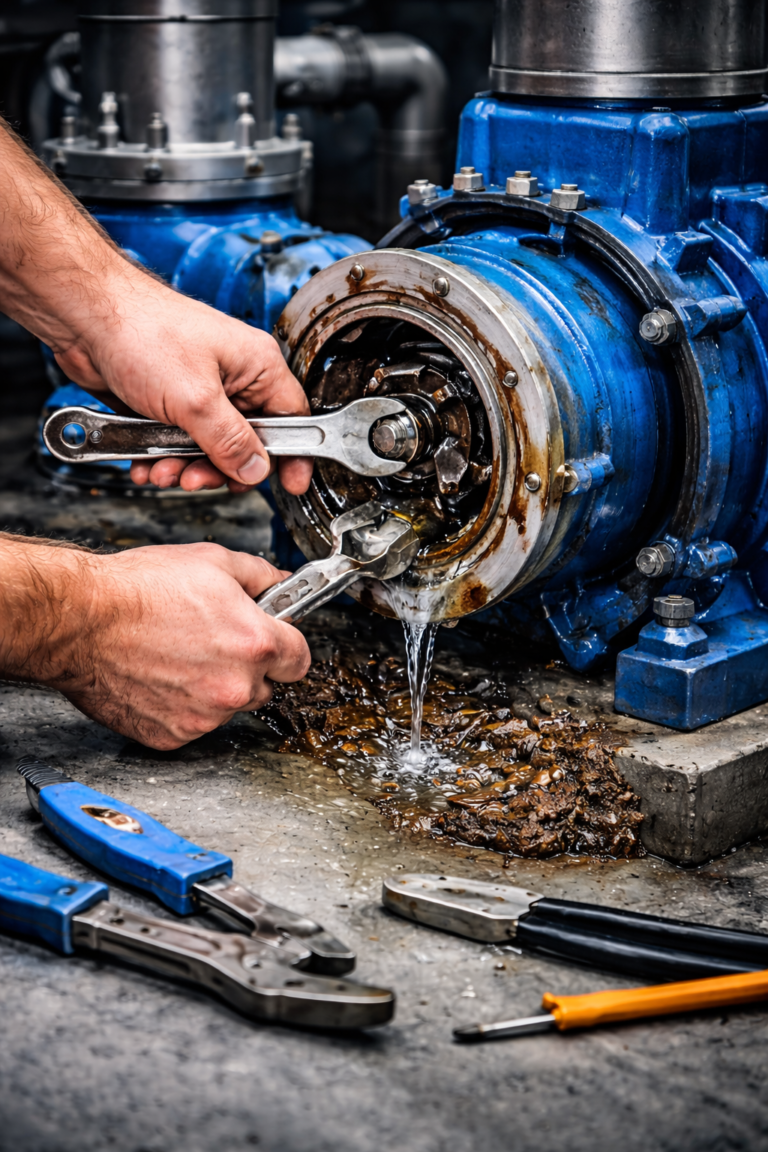
5. Leaks and Corrosion
Visible leaks, rust, or corrosion around the pump, valves, or hoses indicate material degradation. These issues can compromise safety, reduce efficiency, and lead to environmental or operational risks if not addressed promptly.
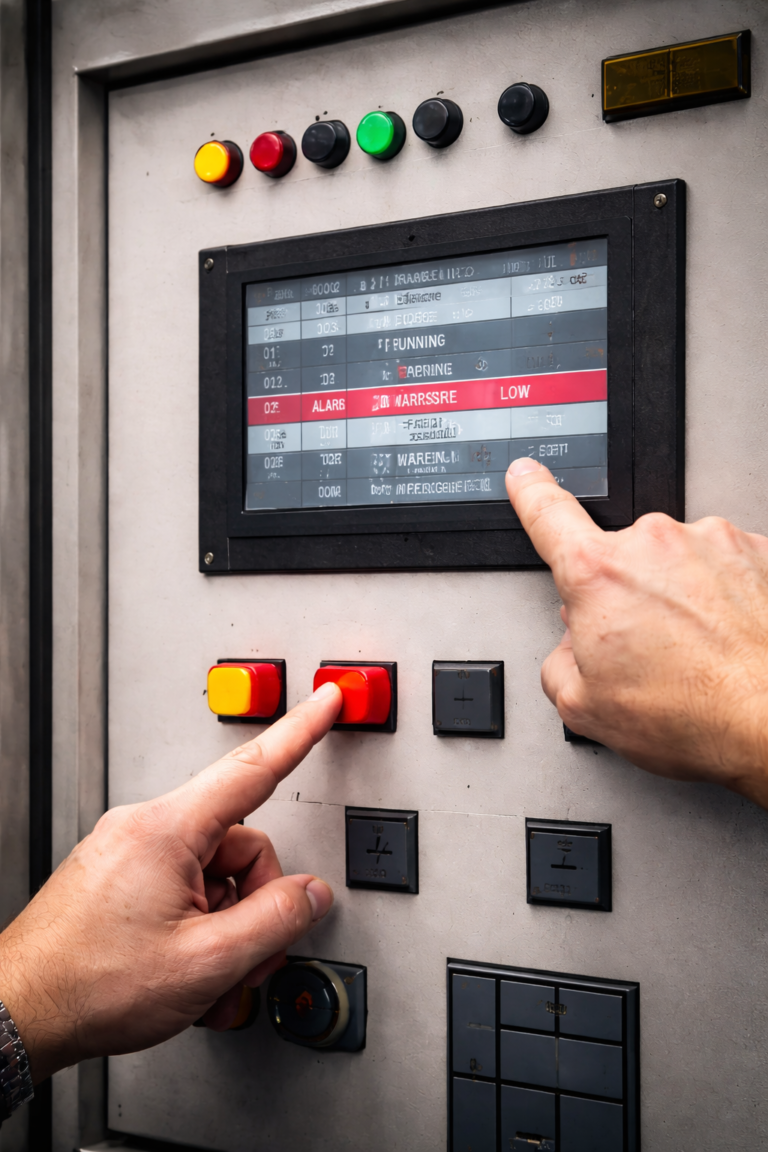
6. Incompatibility with Modern Automation
Modern pump systems often integrate smart controls, sensors, and automation for better monitoring and efficiency. If your current system cannot support automation or remote monitoring, upgrading can greatly improve performance, control, and reliability.
7. Changes in System Requirements
If your facility has expanded or operational demands have increased, your existing pump system may no longer meet current needs. Upgrading ensures the system can handle higher loads without strain or frequent failures.
8. End of Manufacturer Support
When spare parts become difficult to find or manufacturer support is no longer available, maintaining the system becomes costly and unreliable. Replacing the pump with a newer model ensures long-term support and availability of parts.
Replacing or upgrading a pump system is not just about fixing problems—it’s about improving efficiency, safety, and long-term reliability. By paying attention to these warning signs, you can make informed decisions that reduce downtime, save energy, and support future operational needs.